
Roman V. Grigorii
Engineer | Entrepreneur | Researcher




About Me
Publications
My published research focuses on haptic technology, tactile perception, and human-machine interaction.
The spatial profile of skin indentation shapes tactile perception across stimulus frequencies
Authors: Roman V Grigorii, J Edward Colgate, Roberta Klatzky
Journal: Nature's Scientific Reports (2022)
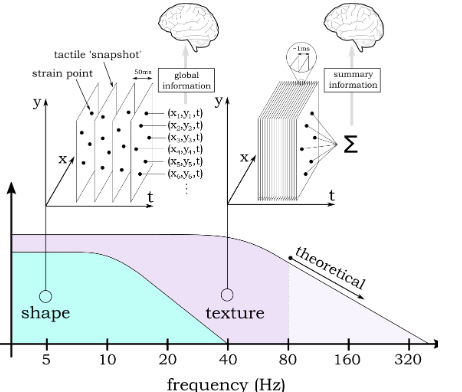
For decades, the prevailing narrative in texture research has postulated that spatial patterns of skin indentation only shape perception of gross surface features, such as braille, while gross vibration shapes perception of fine texture elements. This groundbreaking research challenges this established view by demonstrating the unique ability of the somatosensory system to aggregate minute, localized vibration information along the skin to convey texture-related information. Our findings reveal that localized skin vibration functions as a sophisticated texture encoding mechanism across a wide range of frequencies, fundamentally reshaping our understanding of tactile perception mechanisms.
Data-driven playback of natural tactile texture via broadband friction modulation
Authors: Roman V Grigorii, et al.
Journal: IEEE
What mechanical aspects of touch must be replicated to create an authentic tactile experience? This study explores the critical contribution of lateral forces and resulting skin vibrations to texture perception. Our research reveals that while skin vibrations elicited by texture are highly informative and contain rich texture data, they are not utilized toward texture perception to the extent previously believed, accounting only for 20-30% of perceived roughness. This finding has significant implications for haptic interface design and challenges existing models of tactile perception.
Comparison of wide-band vibrotactile and friction modulation surface gratings
Authors: Roman V Grigorii, et al.
Journal: IEEE
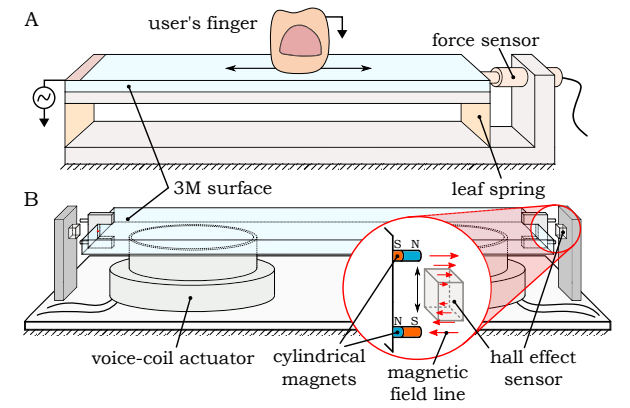
How do the prevailing surface haptic technology of surface vibration and the relatively new friction modulation technology relate? This comprehensive study reveals that normal surface vibration and lateral forces are related in intensity via the force they apply to the finger at lower frequency bands of excitation (<50Hz). At higher frequencies, it is the velocity of skin vibration that becomes the key factor in the comparison. Our findings demonstrate that at these higher frequencies, the two types of excitations feel most similar and can serve as effective substitutes for one another without perceptual losses, opening new possibilities for haptic interface design.
Closed loop application of electroadhesion for increased precision in texture rendering
Authors: Roman V Grigorii, et al.
Journal: IEEE
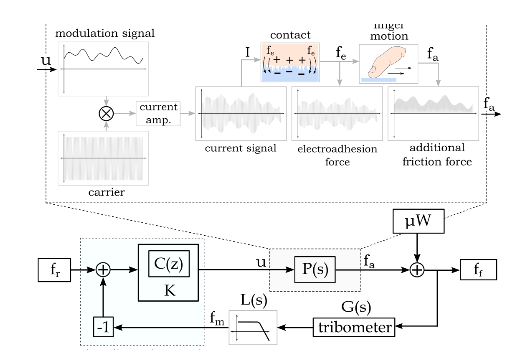
This innovative work explores a novel method for controlling friction forces under the fingertip and attempts to replicate the authentic feeling of natural texture by precisely replicating the friction forces that natural surfaces elicit on the fingertip. Our closed-loop electroadhesion approach demonstrates enhanced precision in texture rendering, offering new possibilities for creating more realistic haptic feedback in virtual environments and touch interfaces.
Stiction rendering in touch
Authors: Roman V Grigorii, et al.
Journal: IEEE
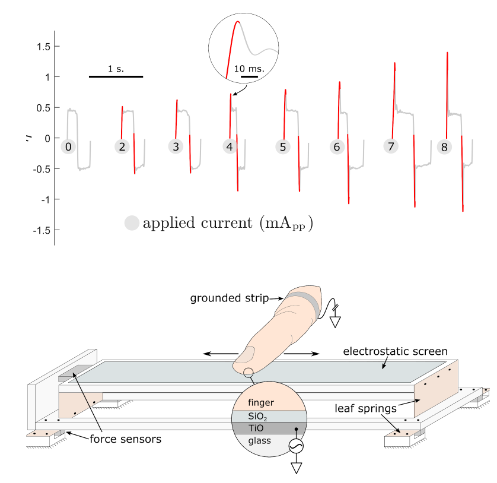
Research into rendering of natural surface features has largely ignored the critical onset of fingertip motion (~20-50ms) as the window in time during which key surface information can be relayed. This pioneering work investigates this unexplored potential by developing an advanced algorithm for natural rendering of surface stiction to a freely exploring human fingertip. Our findings reveal that, similar to perception of stiffness, perception of stickiness is based on a sophisticated perceptual model in which information across multiple sensory channels is integrated, providing new insights into haptic perception mechanisms.
High-bandwidth tribometry as a means of recording natural textures
Authors: Roman V Grigorii, et al.
Journal: IEEE
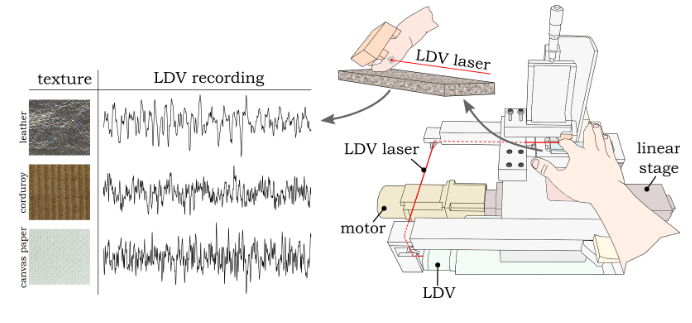
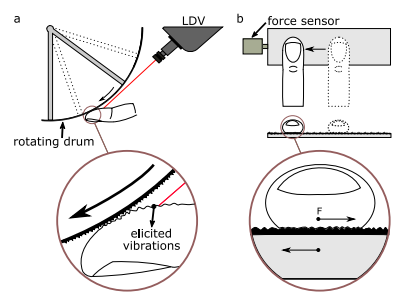
This groundbreaking research introduces a revolutionary approach to texture measurement using high-bandwidth tribometry. We developed a portable, simpler alternative to complex laser Doppler vibrometers that can effectively capture natural texture information. Our breakthrough discovery reveals that the non-stationarity of skin vibrations serves as a powerful texture classification mechanism - a finding that could transform how we understand tactile perception. Using advanced tribometric measurements of shear and normal forces, we built sophisticated classifiers that can distinguish textures through both spectral analysis and dynamic statistical modeling. This work opens exciting possibilities for coupling tribometric recordings with haptic rendering devices, potentially revolutionizing how we capture and reproduce tactile experiences in virtual environments.
Capture, Playback, and Enhancement of Tactile Texture-Merging Physics and Perception
Authors: Roman V Grigorii, et al.
Journal: PhD Thesis
PhD Thesis.
Books
Writing and reference materials.
Foundations of Embodied AI and Robotics
Read PDFPractical Wireless Communications
Read PDFBlog
My personal notes with thoughts on AI, robotics, and other topics.
Professional Projects
Explore my open-source projects and contributions to the developer community.
Virtual presence
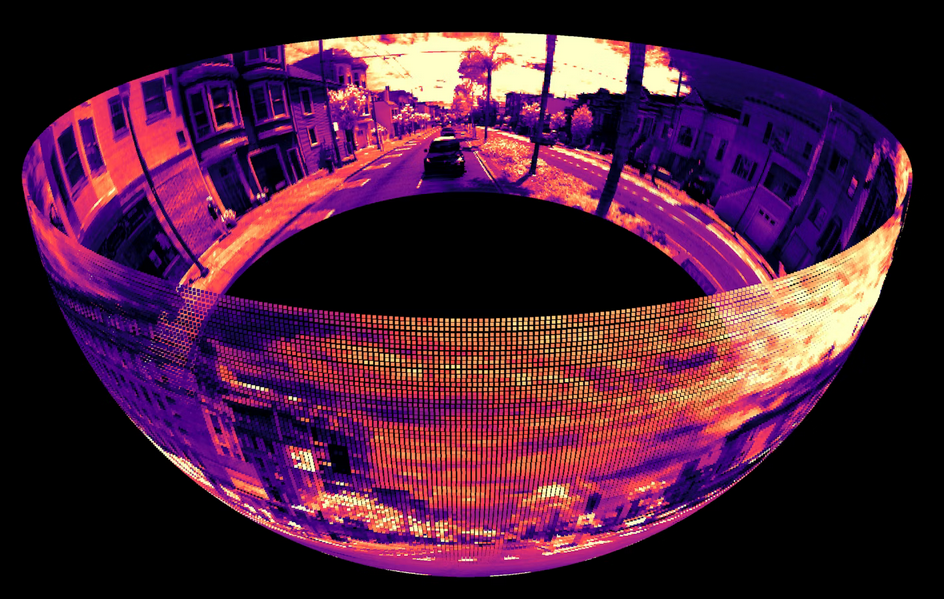
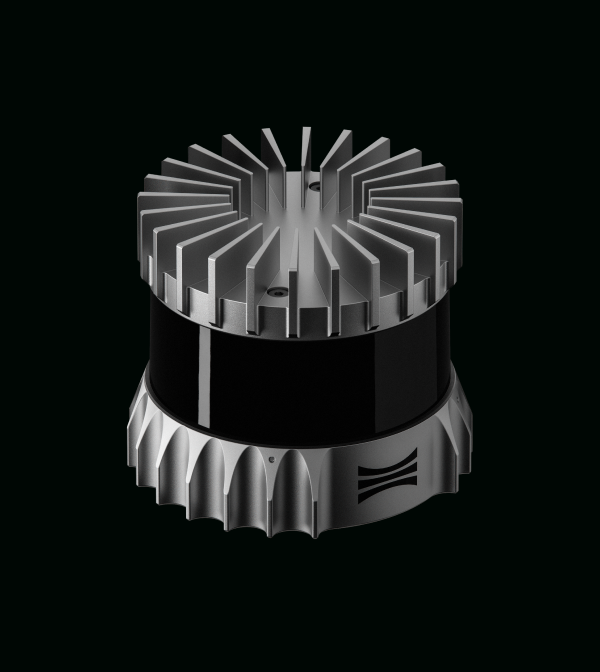
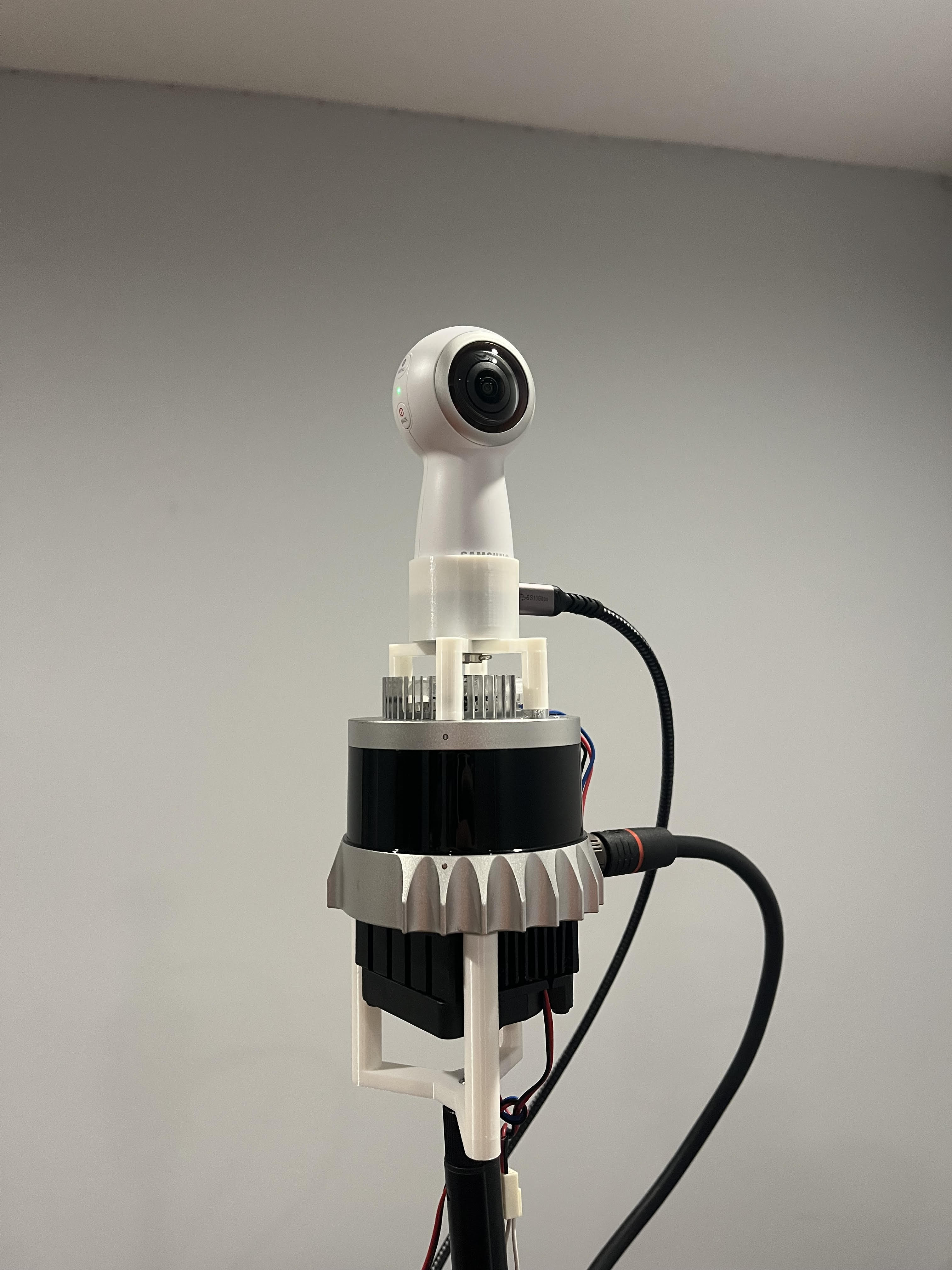
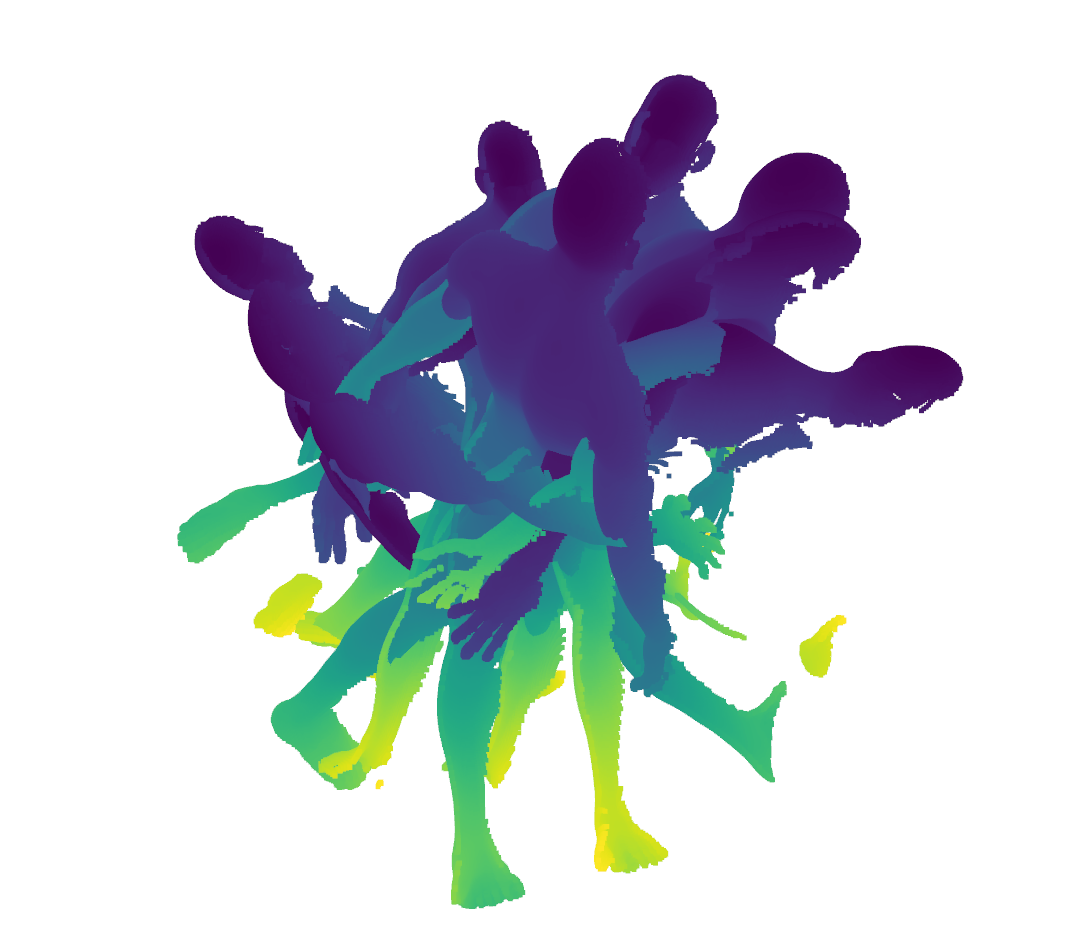
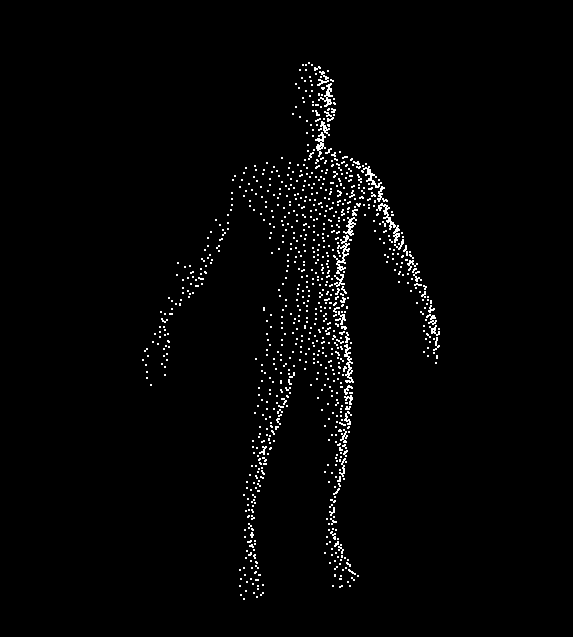
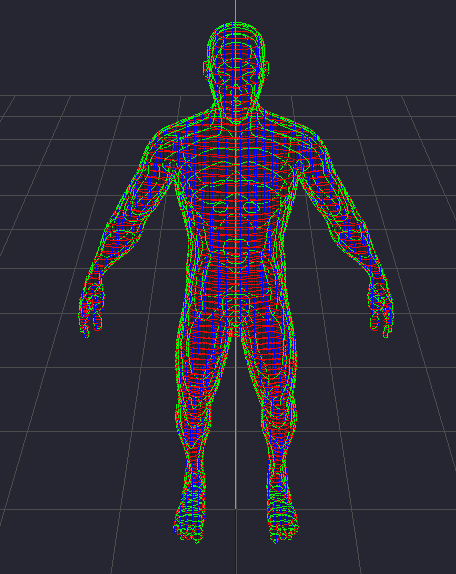
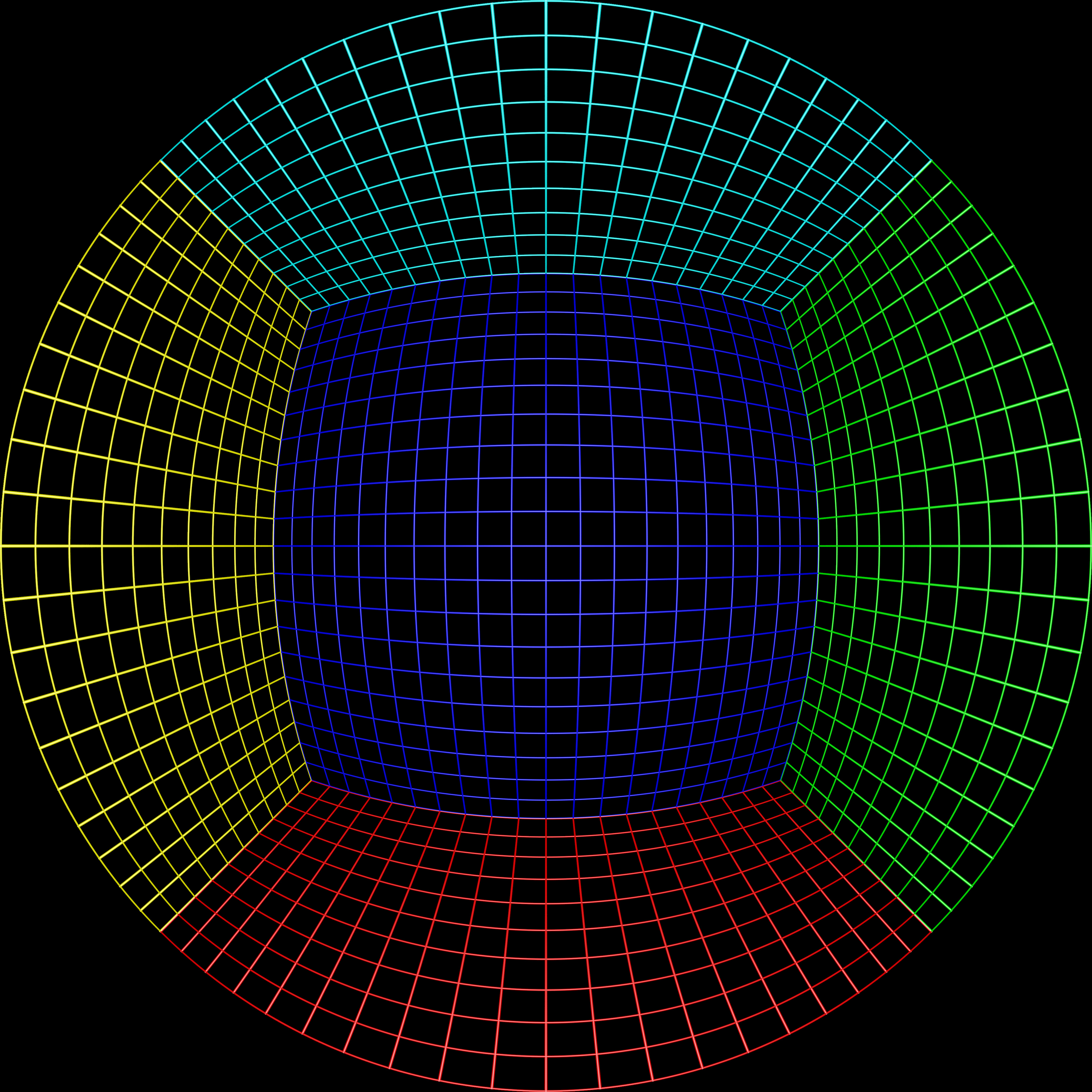
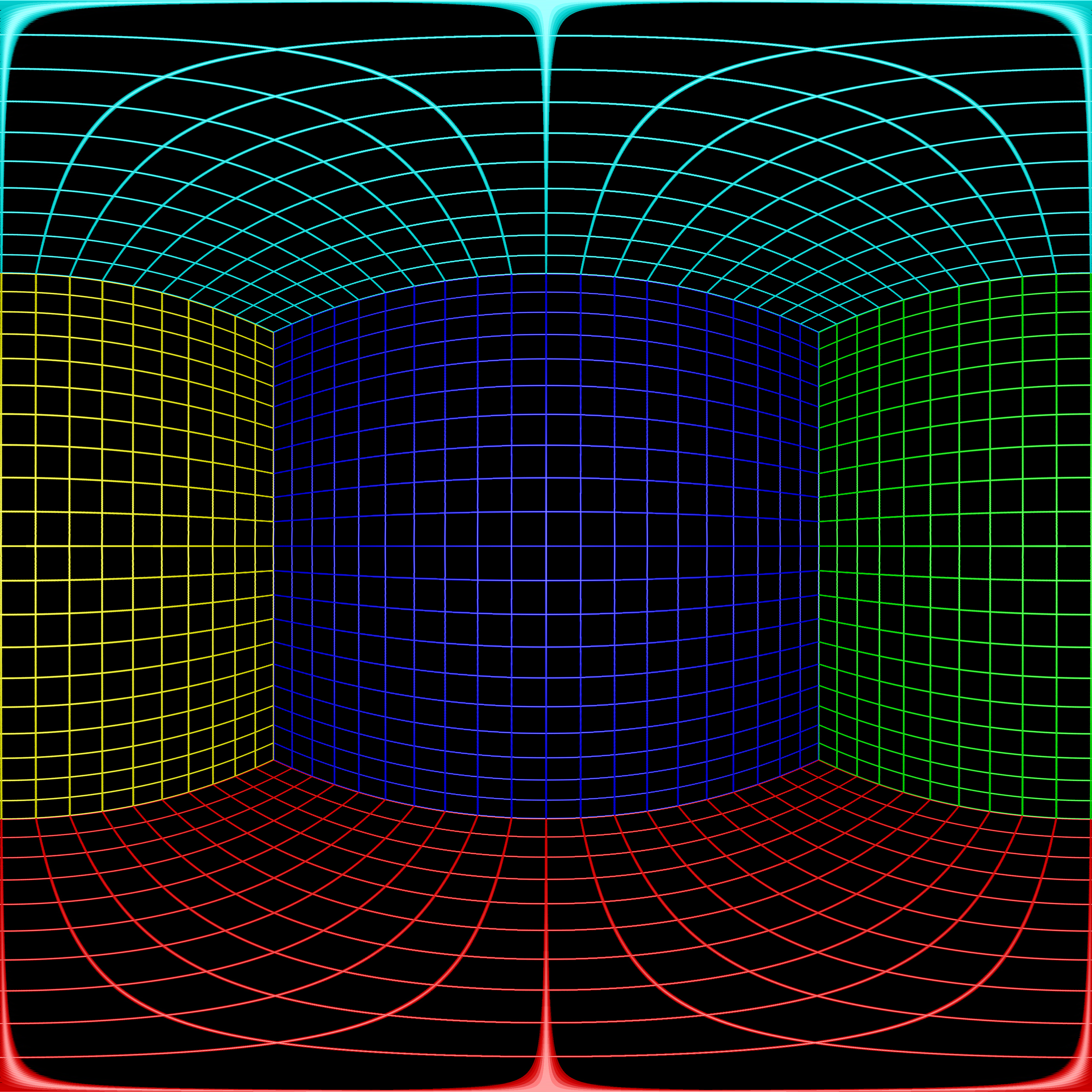
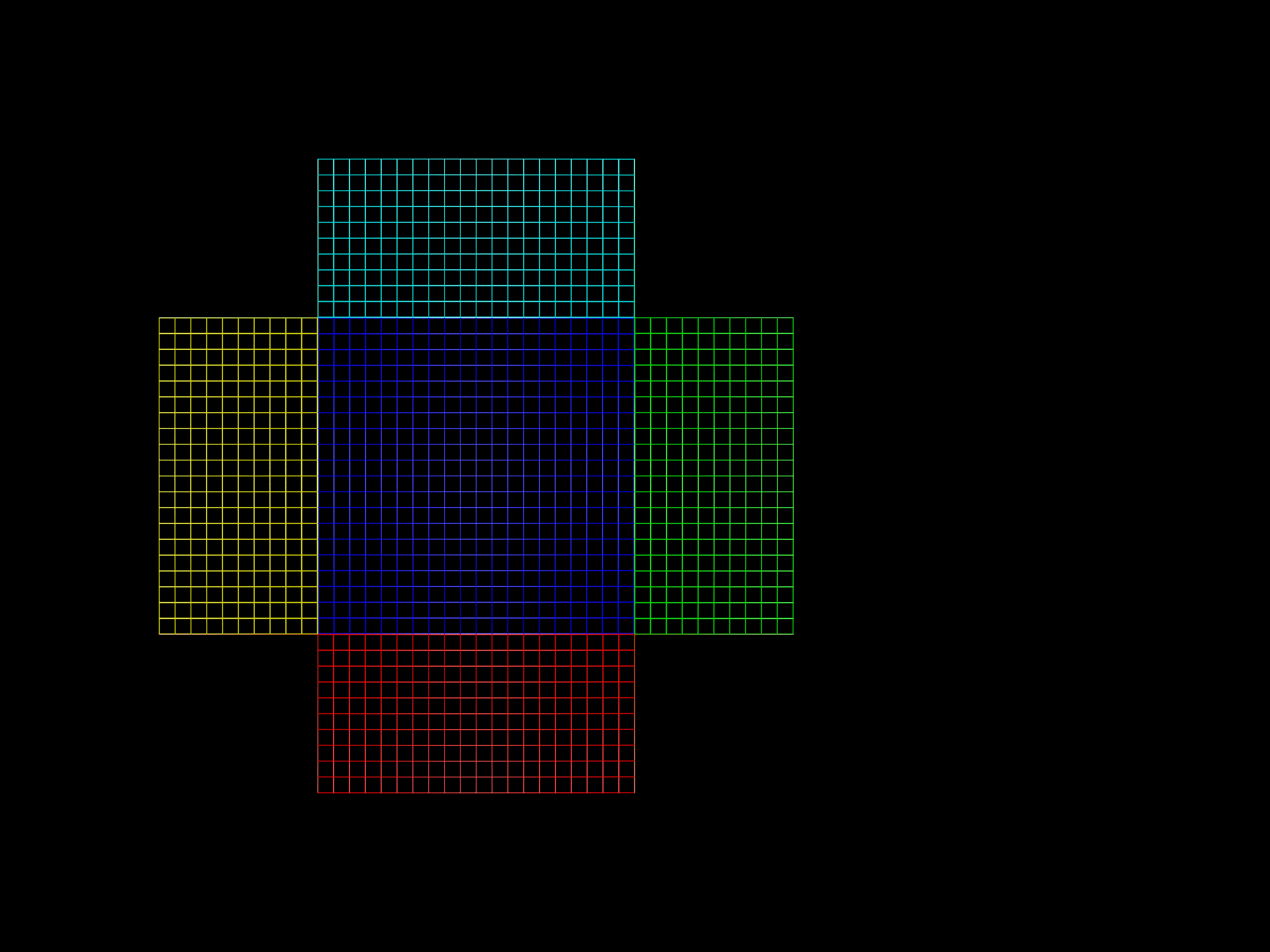
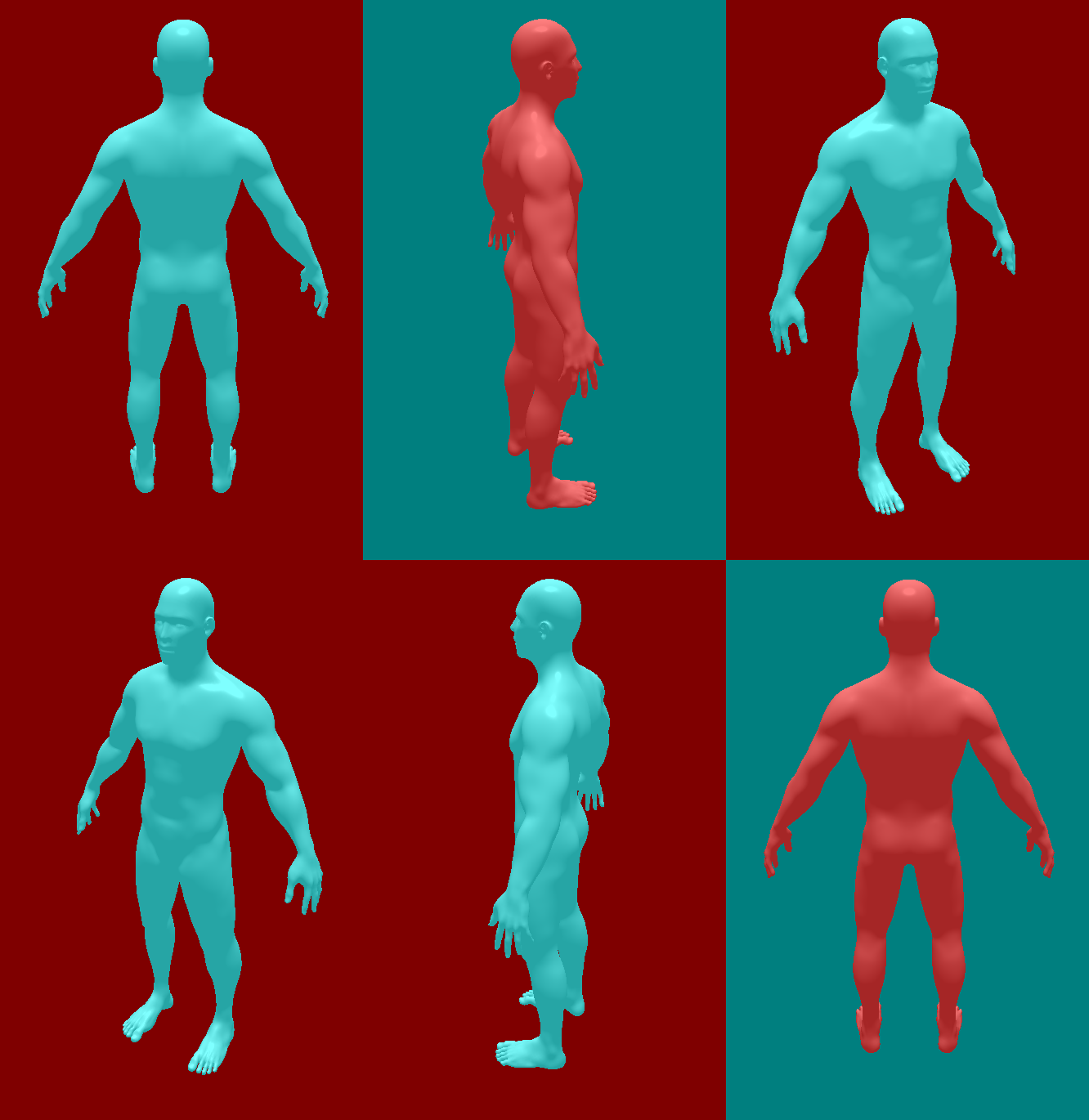
VR reconstruction from real-world capture: Ouster LiDAR fused with 360 camera color for point clouds and meshes, dynamic object mapping for replay, and a calibrated 360-camera pipeline (single-lens, equirectangular, and rectilinear projections).
Haptic touchscreens
- Links coming soon.
Research and engineering for tactile feedback on touchscreens: sensing, actuation, signal processing, and real-time control that produce convincing haptic experiences on glass.
Drone development
- Links coming soon.
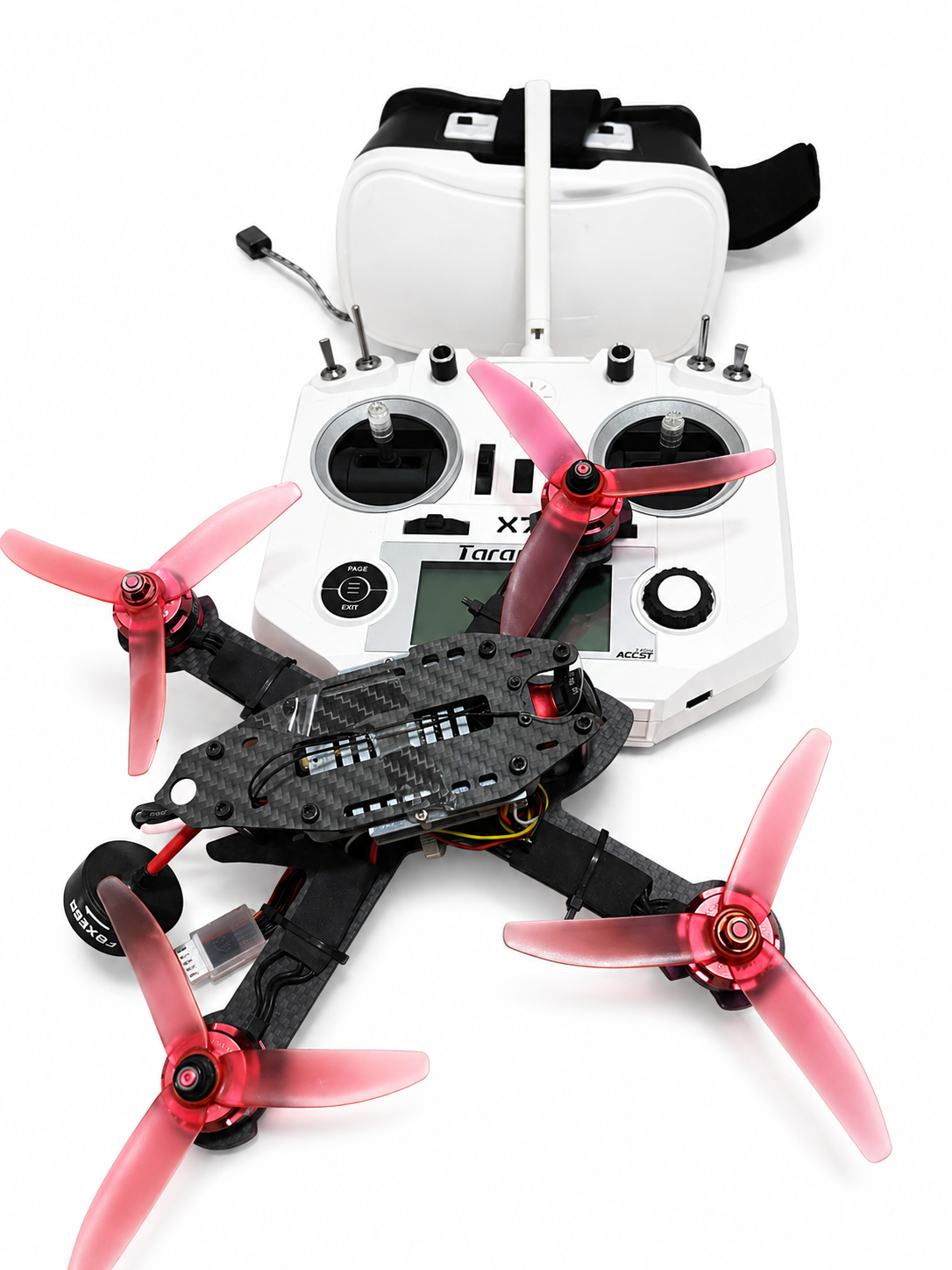
A custom low-latency FPV drone that streams live video to a ground receiver, then to a smartphone over USB. The phone sits in a VR headset for first-person piloting with real-time video.
RL Learning
Reinforcement learning for control and autonomous decision-making, including cart-pendulum balancing and car racing (Python, TensorFlow). Video: training run, episode 2700.
Business Ventures
My entrepreneurial journey in creating innovative applications and digital solutions.
Inque Enterprises
Professional mobile application development organization creating innovative apps for Android and iOS platforms. We focus on building user-friendly applications that enhance digital experiences and deliver quality solutions for modern needs.
Our expertise includes mobile-first design, modern UI/UX principles, and robust development practices that prioritize quality, security, and regular updates to keep applications current and safe.